
When several people use the same machine or tool, a problem reported verbally may disappear between shifts. This service creates a practical record of equipment status, assigned ownership and escalation, without replacing competent technical maintenance.
Why this service matters in 2026
When several people use the same machine or tool, a problem reported verbally may disappear between shifts. This service creates a practical record of equipment status, assigned ownership and escalation, without replacing competent technical maintenance. A missing log is not the same as a missing repair. Your job is to make unresolved problems visible, route them to qualified personnel and record when equipment returns to service.
A clear, sellable service package
Deliver a labeled equipment register, quick pre-use reporting form, issue priority definitions, a repair-request log, a sign-off field and an owner-reviewed monthly summary. Exclude electrical tests, safety certifications and repair work.
Agree acceptance criteria and exclusions in writing before work begins. Provide editable templates and a one-page operating guide; the client decides who may approve and maintain them.
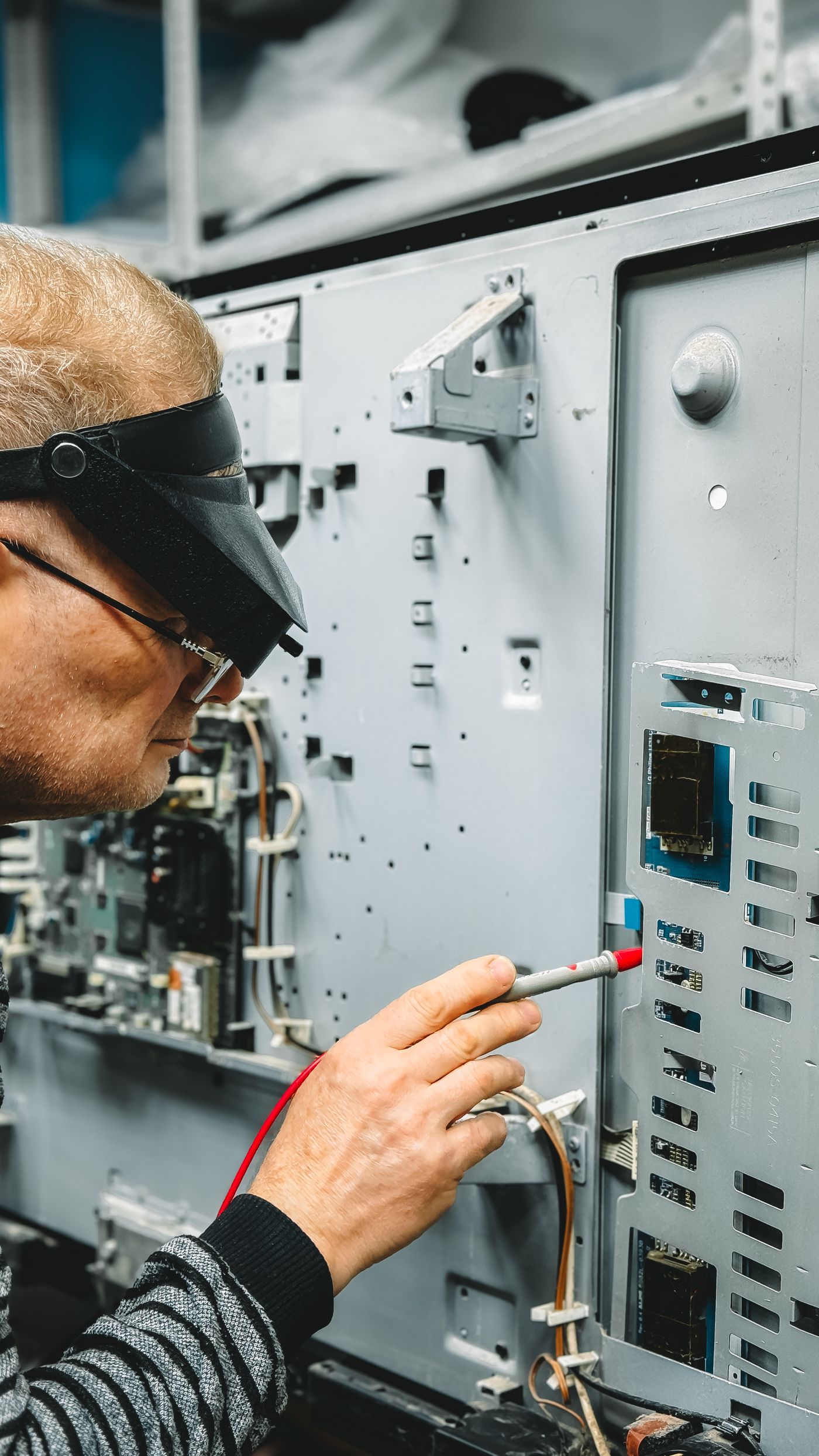
Step-by-step delivery workflow
After the trial, document which scenarios passed, which were escalated and what still needs owner approval. Never invent a completion status for an unresolved exception.
Pricing, tools and startup costs
Price an initial pilot covering one room or a limited equipment set. Include site walkthrough, interviews, template building, training and one revision. Charge for ongoing reviews separately; do not promise fewer breakdowns without data.
A simple scope sheet should list preparation hours, meetings, delivery items, revisions, subscriptions, staff training and exclusions. Any numbers used in a proposal must be client-specific estimates, not universal earnings guarantees.
Who to target and finding clients
Small makerspaces, light-manufacturing shops, catering facilities, gyms and businesses with shared specialist tools may need clearer ownership. Begin with one category of equipment rather than every asset.
Look for public signs of workflow friction and ask the owner for permission before examining internal processes. Present a sample using fictional information, then offer a small paid pilot.

Quality, privacy and scope controls
Never advise a worker to operate suspect equipment or personally declare it safe. Use the client’s established lockout, repair and authorization rules. Do not collect unnecessary staff personal data, and protect access to records.
Give staff a simple rule for uncertain cases: pause, record the issue and contact the authorized owner. Apply least-privilege access, periodic review and document-retention rules selected by the business.
A 30-day launch plan
Thirty days is an illustrative testing schedule, not a promise of sales or profitability.
Common mistakes to avoid
- Logging equipment as “repaired” from a verbal update without authorized sign-off.
- Replacing competent inspections with a generic spreadsheet.
- Leaving an issue marked open with no owner or next action.
- Tracking dozens of fields that staff cannot complete during a shift.
Keep the final records easy to find, version-controlled and owned by a named staff member. Make unresolved issues visible rather than hiding them behind a completed form.
Useful external resources
Check current laws, guidance and industry standards in the customer’s jurisdiction; the official sources below inform general good practice.
Frequently asked questions
Can the setup provider certify equipment safety?
No. Competent maintenance personnel and the equipment owner retain all inspection and return-to-service responsibilities.
What should happen when an urgent fault is reported?
Follow the employer’s safety procedure, stop use when required and escalate to the authorized responsible person.
Do we need a paid asset-management app?
Not for a small trial. A controlled spreadsheet and approved form can demonstrate whether the workflow is usable.
How is success measured?
Track complete reports, time to assign an owner, overdue items and whether final approval was recorded.
Final takeaway
Shared Equipment Maintenance Log & Handoff Setup Service is most useful when it delivers a narrow, tested workflow that the customer can keep using. Confirm responsibilities, protect customer and staff data, document exceptions and ask for a responsible manager’s approval before making operational or safety claims.