

Secondhand Furniture Refresh & Resale Service is a focused small-business idea built around a specific operational problem: Good furniture is often discarded because it looks dated, dirty, scratched, or difficult to transport. Buyers want affordable pieces but worry about hidden damage, inaccurate measurements, pests, odors, weak repairs, and misleading photos.
The safest way to test the opportunity is with a narrow offer, one customer type, and a documented workflow. Validate demand with real conversations before spending heavily on equipment, software, inventory, or branding.
Why this is timely in 2026
Recommerce is mainstream in 2026. Shopify’s updated guide describes resale, refurbishment, and trade-in as established revenue models and cites high secondhand participation. For a small local operator, furniture is attractive because inspection, cleanup, styling, and delivery can create visible value without manufacturing a new product.
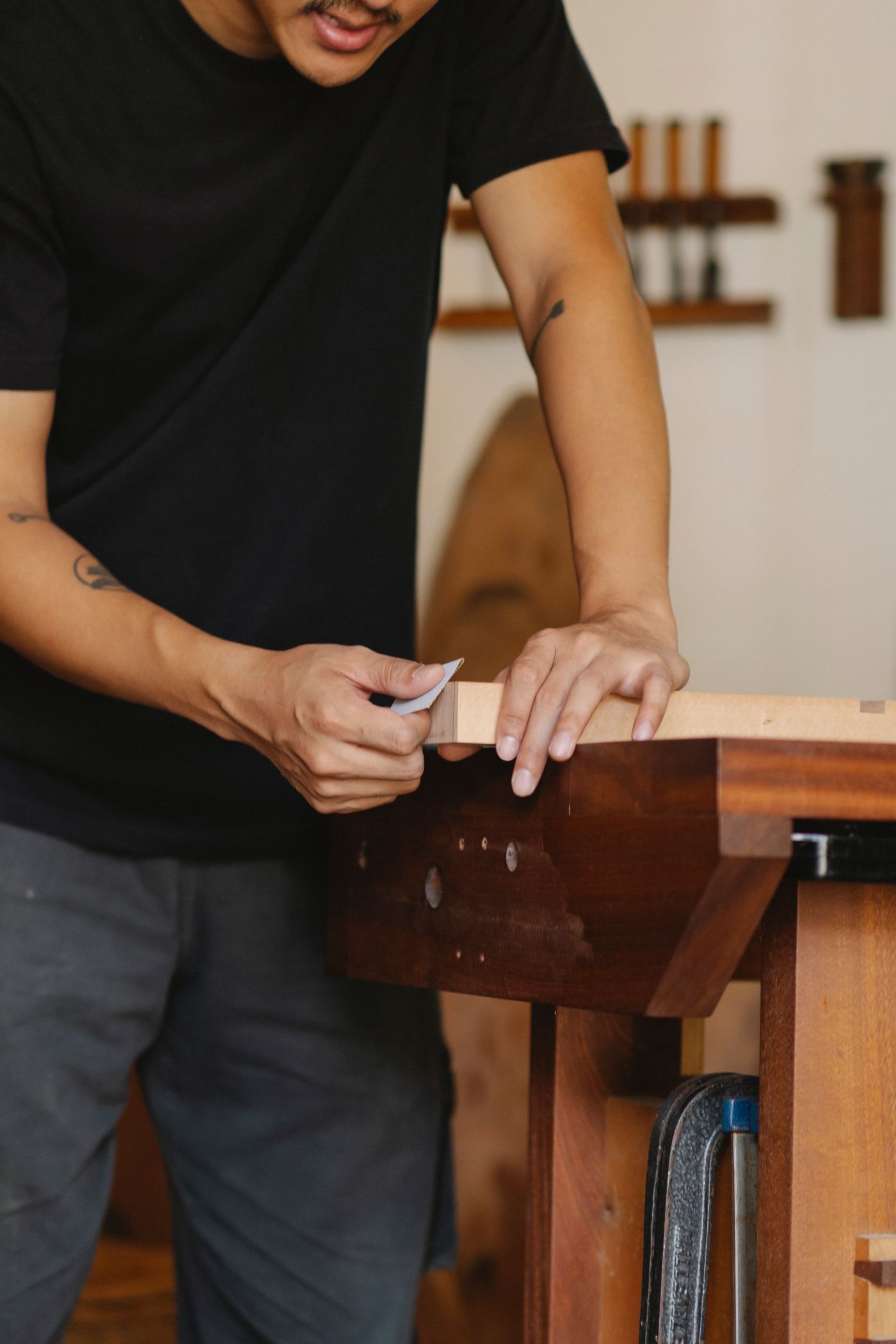
The opportunity works best with restraint. Avoid turning every find into a full restoration. Start with solid tables, chairs, shelves, side cabinets, or small storage pieces that can be cleaned, tightened, lightly sanded, oiled, painted, or reupholstered within your skill level.
The business model
Buy or collect selected furniture below a strict acquisition cap, inspect it, document defects, perform approved refresh work, then list it with exact dimensions and clear photos. Profit is the resale price minus purchase, materials, labor, storage, marketplace fees, transport, and unsold-item cost. You can also offer refresh-on-behalf-of-owner as a service to reduce inventory risk.
Keep the first offer easy to explain in one sentence. A clear scope makes pricing, delivery, quality control, and customer expectations easier to manage. If the service touches regulated work, high-risk decisions, customer data, safety, food, chemicals, or specialized technical tasks, separate what you coordinate from what qualified professionals must perform.
Best clients to target
- budget-conscious renters, students, and first-home buyers
- small cafes, studios, salons, offices, and rental hosts needing affordable furniture
- households preparing to move, declutter, or refresh a room
- property stagers and local resellers that need cleanup, minor repair, or photography help
Do not market to everyone at first. Pick the customer group with the clearest recurring problem, shortest sales conversation, and easiest way to verify that your service created a useful outcome.
What to include in the offer
- a sourcing checklist for structure, material, smell, pests, water damage, and repairability
- before photos and written condition notes
- cleaning, tightening, minor repair, sanding, paint/oil, or simple upholstery only within your skill level
- accurate dimensions and honest defect photos in every listing
- clear pickup/delivery price and access requirements
- final safety check for stability before sale or delivery
Put exclusions in writing as well as inclusions. Clients should know what information or access they must provide, how many revisions are included, what causes extra charges, and what happens when a request falls outside the agreed scope.
How to start step by step
- Choose one furniture category such as side tables, dining chairs, or small cabinets.
- Set a maximum purchase price and maximum repair time before you source anything.
- Practice on one low-cost piece and record every material and labor cost.
- Create a consistent photo area with natural light and a tape-measure reference.
- List five pieces, track views and messages, and learn which styles and price points actually move.
During the pilot stage, record actual time per task and every point where the client asks for clarification. Those notes become your future checklist, FAQ, onboarding form, and staff training material.
Pricing and margin planning
Use a simple target-margin formula instead of guessing. Include acquisition, transport, cleaning supplies, repair materials, your labor, storage days, marketplace fees, and delivery. A piece bought cheaply can still be a bad deal if it needs six hours of work or sits unsold for two months.
Before publishing a price, calculate labor, communication, materials, transport, payment fees, software, storage, rework, taxes where applicable, and third-party costs. A simple three-tier offer can work well: a starter pilot, the standard package most customers need, and an ongoing option only where recurring work creates recurring value.

Tools and workflow
Use the smallest reliable toolset that can deliver consistent results:
- basic cleaning supplies appropriate to each material
- screwdrivers, clamps, sanding tools, brushes/rollers, and protective equipment
- measuring tape and condition checklist
- clean, bright photo area without misleading filters
- vehicle or delivery partner with blankets, straps, and damage-record process
Write the normal job flow from inquiry to handoff: qualification, intake, approval, work, quality check, customer confirmation, invoice, and follow-up. If one stage repeatedly causes mistakes, fix the process before increasing volume.
How to find the first customers
Source from moving sales, estate clear-outs, local marketplaces, landlords, offices, and households that value quick removal. Sell where local buyers already shop and use short before/after content to show the work. Relationships with movers, cleaners, property managers, and decorators can create steady sourcing leads.
Specific outreach usually performs better than a long list of services. Show one visible problem, explain one practical outcome, and offer a low-friction pilot. Use customer photos, testimonials, or case studies only with permission.
SEO and content plan
Useful search-focused topics for this business include:
- furniture flipping business
- secondhand furniture resale service
- furniture refresh service
- used furniture restoration and resale
Build helpful pages around buyer questions: what the service includes, who it is for, how the process works, what the customer must prepare, what affects price, common mistakes, and what the finished handoff looks like. Use original examples and natural internal links rather than repeating the same keyword unnaturally.
Helpful external resources
Mistakes to avoid
- buying upholstered or damaged pieces without checking for pests, odors, mold, or contamination
- hiding cracks, repairs, stains, instability, or measurements in listings
- over-restoring low-value pieces so labor destroys the margin
- using paint, finishes, or repair methods without proper ventilation, protective equipment, and material knowledge
Trust is more valuable than a fast sale. Avoid guarantees you cannot control, disclose important limitations, use written approvals for material changes, and verify the local rules that apply to your service.
A practical 30-day launch plan
- Week 1: select one category, learn inspection points, and set purchase/time limits.
- Week 2: refresh two practice pieces and calculate true cost per piece.
- Week 3: create consistent listings with measurements, defect photos, and delivery terms.
- Week 4: source and list five pieces, then review sell-through time and margin before buying more.
At the end of 30 days, review qualified prospects contacted, pilots accepted, paying customers, average delivery time, mistakes/rework, and contribution margin. If interest is weak, improve the niche or offer before spending more on branding. If delivery is the bottleneck, simplify the package before adding volume.
How to grow without losing quality
Grow with better sourcing and faster turnaround rather than a huge storage pile. Create repeatable finish options, build relationships with movers and property managers, and track which categories sell fastest. Later you can add commission resale, pickup service, staging bundles, or light commercial furniture refreshes.
Turn repeated actions into templates and SOPs, then delegate only after the process is stable enough to teach and review. Recurring revenue should always be tied to a genuine recurring customer need.
Frequently Asked Questions
What furniture is easiest to start with?
Simple hard-surface pieces such as small tables, shelves, or chairs are easier to inspect and clean than complex upholstery or heavily damaged furniture.
How do I avoid losing money?
Set a purchase cap and maximum labor time before buying. Include transport, materials, storage, fees, and delivery when calculating the target resale price.
Should I hide small defects after repair?
No. Photograph and describe repaired areas and remaining defects honestly so buyers can make an informed decision.
Can I offer refresh work without buying inventory?
Yes. A clean-and-refresh service for customer-owned furniture can reduce inventory risk and generate cash while you learn which jobs are profitable.