
Offer independent shops a repeatable shelf-label, barcode and checkout-price verification service to catch confusing price mismatches before customers do. This guide explains how to test the idea with a focused paid pilot, a documented handoff, an agreed scope and checks that the owner can use after the first project. The aim is not a technology makeover but a practical service that a small team can maintain.
Why this service matters in 2026
Paper shelf tags, POS catalogs and promotional labels often change at different times. A simple audit catches discrepancies early, improves trust and makes correction responsibilities clear. Many firms already own basic tools, but their processes are inconsistent or scattered across staff messages and loose documents. A concise project that leaves behind a usable operating routine can be easier to adopt than an extensive software implementation.
The opportunity is to offer the smallest useful result: a baseline, written decisions, tested steps, named owners and a simple record of improvement. Do not claim guaranteed demand or commercial returns. Check local willingness to pay before buying equipment, committing to subscriptions or scaling outreach.
A clear, sellable service package
A starter project should have one named owner, a written scope and an acceptance checklist. The most sensible client profile is: Convenience stores, specialty grocers, gift shops, market stalls and small multi-location retailers. Include an optional follow-up review but keep ongoing work separate from the initial setup price.
- Select a risk-based sample of shelf items and promotions.
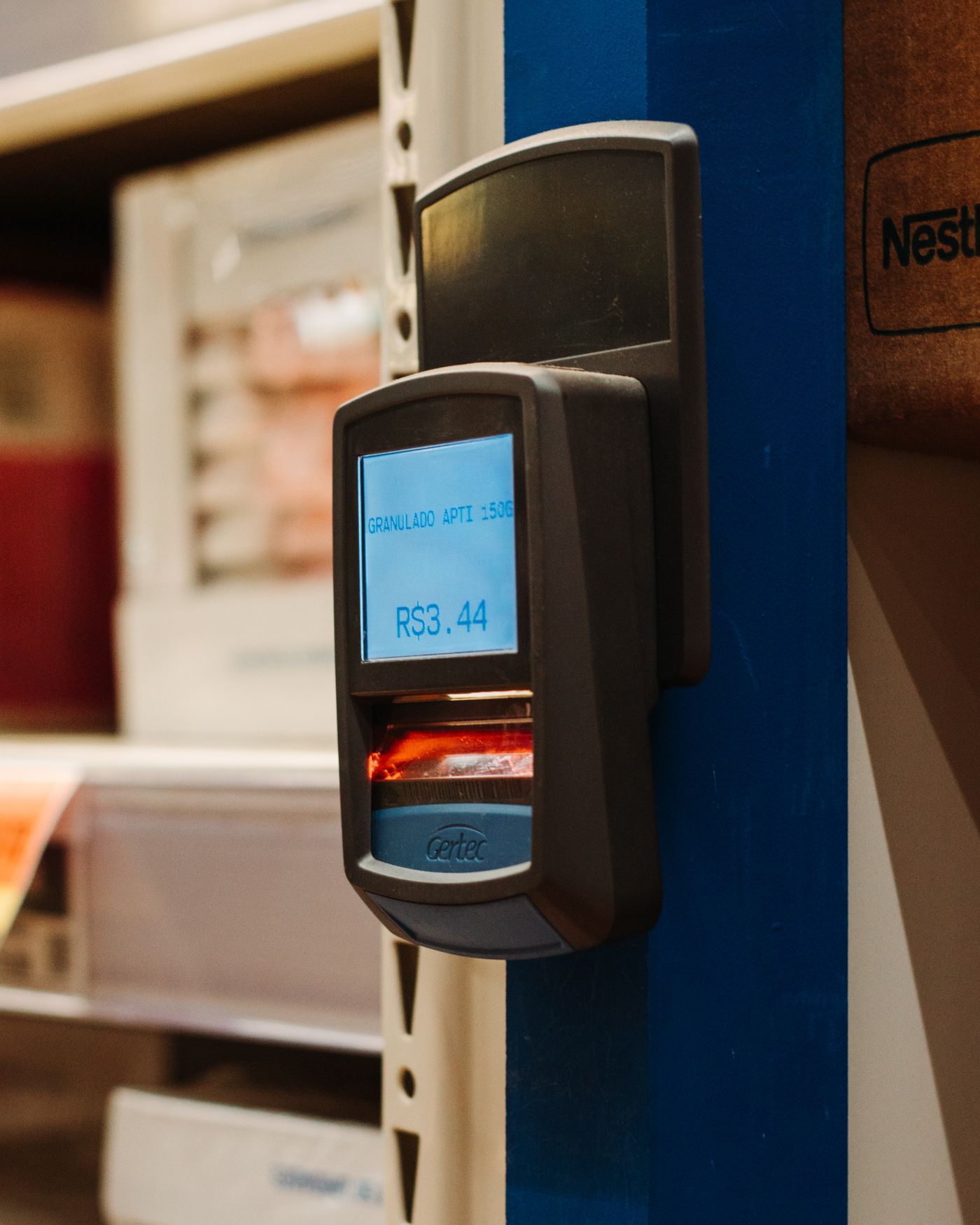
- Check shelf price, pack size and product identifier against the checkout record.
- Log barcode-not-found and wrong-variant examples with timestamped evidence.
- Assign corrections to the right staff member.
- Retest corrected items and track open exceptions.
- Hand over a repeatable weekly and promotion-change checklist.
List exclusions before work begins: specialized legal or regulatory judgment, major custom development, purchases of third-party software, and any promise of a particular sales or compliance result. These boundaries keep a beginner service realistic and help clients understand when to involve a qualified professional.

Step-by-step delivery workflow
Run the same repeatable process for each client. Pause if information is missing or an authorized person has not approved the next step. A credible workflow leaves a short evidence trail that the owner can inspect.
At the end of the pilot, compare the original situation with the tested workflow. Record the number of items reviewed, exceptions discovered, outstanding decisions and the time required to keep the process current. These observations become a realistic basis for a future service package.
Pricing, tools and startup costs
Price the work by scope rather than by an invented universal hourly rate. Estimate interview time, preparation, access coordination, implementation, testing, revisions and training. Offer a clear fixed-fee pilot with one review cycle and an optional recurring maintenance service. Ask the client to approve additional work separately.
Begin with tools the business already uses, such as shared documents, a permitted form, a simple spreadsheet, approved photos and a version-controlled checklist. Where a client wants advanced reporting or integration, price subscriptions separately and check that the team can maintain the system after handoff.
A useful proposal includes deliverables, responsibilities, a realistic timeline, permissions, review dates, exclusions and payment milestones. Never present assumed cost savings as a verified return on investment.
Who to target and finding clients
Potential early buyers include Convenience stores, specialty grocers, gift shops, market stalls and small multi-location retailers. Choose one segment first, because a niche-specific sample checklist and example report will feel more credible than an all-purpose sales message.
Before outreach, prepare one anonymized example showing what is checked, which exception is escalated and what the final report looks like. Describe a measurable but limited outcome. During discovery, ask about staff time, who approves changes, what records already exist and where mistakes cause follow-up work.
Seek permission before photographing workplaces or reviewing internal data. Avoid copying employee or customer information into marketing examples. A referral from one properly completed project is more valuable than dozens of generic claims.
Quality, privacy and scope controls
Appoint a responsible client contact to approve the work. Use the least access needed and document where work files are kept, who may edit them and how long they are retained. Remove personal or sensitive details from demonstration materials and return or delete client information according to the agreement.
Build a second-person review into outputs that affect safety, prices, compliance or customer promises. If a mismatch cannot be resolved, flag it rather than making up a value. Specify that final operational, regulatory and safety decisions remain with the business and relevant qualified professionals.
Always test realistic exceptions, including missing records, employee absence, last-minute changes and an unexpected complaint. Clear escalation is often more valuable than extra software.
A 30-day launch plan
- Week 1: Interview three potential buyers in one niche and identify their most repeated workflow problem.
- Week 2: Build a sample checklist, scope sheet, exception log and concise mock report without confidential data.
- Week 3: Offer a limited pilot, agree on access rules and obtain written approval for the work.
- Week 4: Deliver the pilot, collect feedback, document rework and refine the paid service package.
The month is a validation schedule, not a revenue forecast. If the problem turns out to be rare or already solved, narrow or change the target segment before investing further.
Common mistakes to avoid
- Changing live prices without the store owner’s authorization.
- Comparing two different pack sizes as if they are identical products.
- Ignoring promotional start and end times.
- Promising legal compliance based only on a limited sample.
Avoid overpromising, buying tools before defining the process and leaving the client with an unmaintainable system. Document the last approval, the next review and the person accountable for corrections.
Related Do Small Business guides
Useful external resources
Primary guidance and professional standards should be checked by the responsible business before any rollout; rules differ by region and can change.
- GS1: Barcodes and standards
- FTC: Price displays and shopping guidance
- UK Chartered Trading Standards Institute
Frequently asked questions
Do I need a specialized scanning app?
Not necessarily. A store-approved scanner, POS lookup and spreadsheet can support a controlled pilot.
Can I update a retailer’s POS pricing?
Only if the retailer explicitly authorizes it. Many services should remain audit-and-report only.
How large should the audit be?
Start with a defined sample focused on high-risk promotional and frequently changed products; expand based on discrepancies found.
Does a clean sample prove the store is compliant?
No. Sampling can highlight problems, but it is not a guarantee that all prices are accurate or legally compliant.
Final takeaway
Retail Shelf-Price & Barcode Accuracy Audit Service works best as a clearly scoped, evidence-based service. Start with a small pilot, document the starting position, build a repeatable process and let the responsible business approve anything that carries financial, safety or regulatory consequences. A simple workflow that staff continue using is more useful than an impressive implementation that quickly falls into disuse.