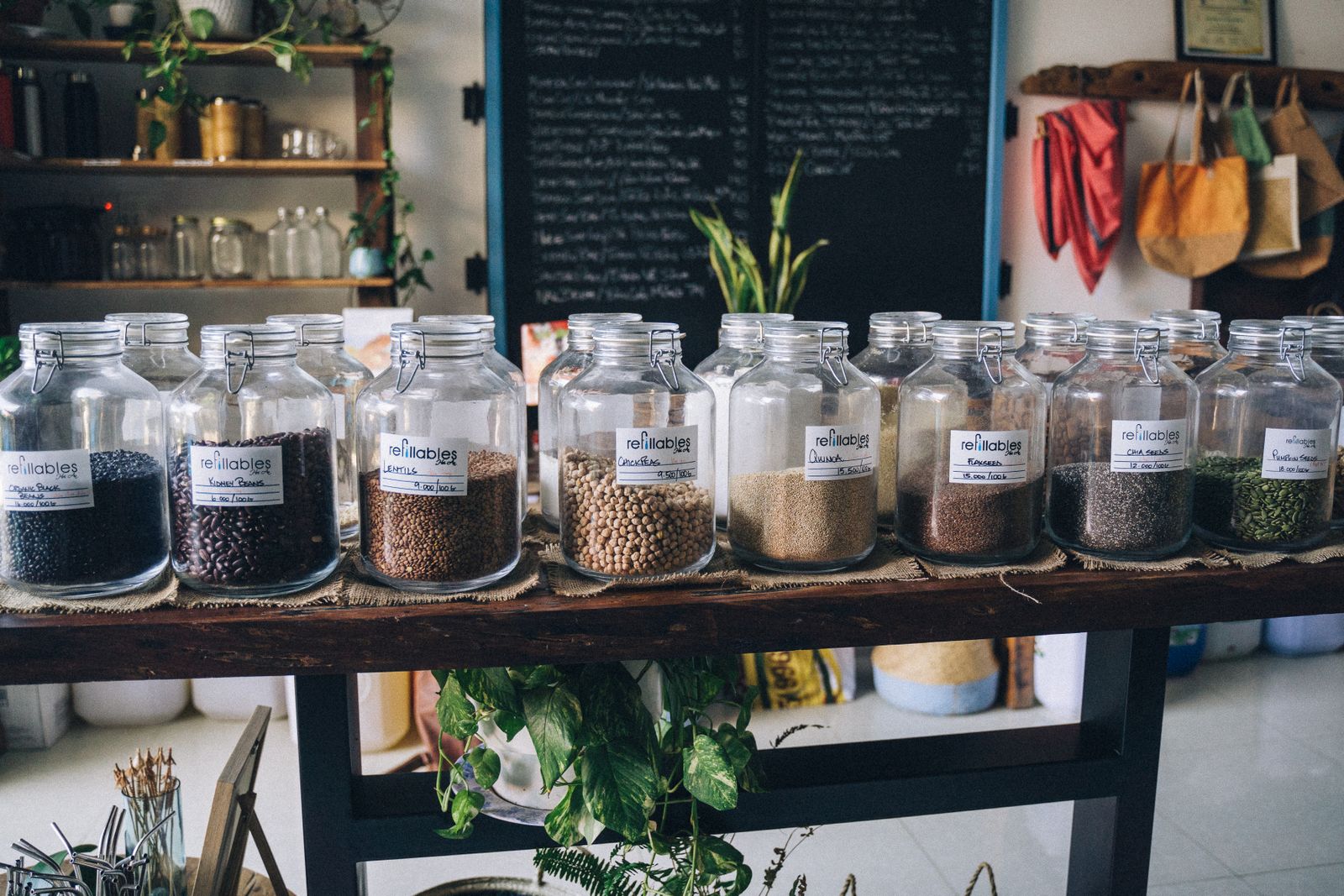
Refill & Reuse Household Products Delivery Service is a focused small-business idea built around a specific operational problem: Customers who want to reduce packaging waste may still find refill shopping inconvenient. They need trusted products, clean containers, clear labeling, predictable refill quantities, and a convenient way to return or refill packaging without making a special trip.
The safest way to test the opportunity is with a narrow offer, one customer type, and a documented workflow. Validate demand with real conversations before spending heavily on equipment, software, inventory, or branding.
Why this is timely in 2026
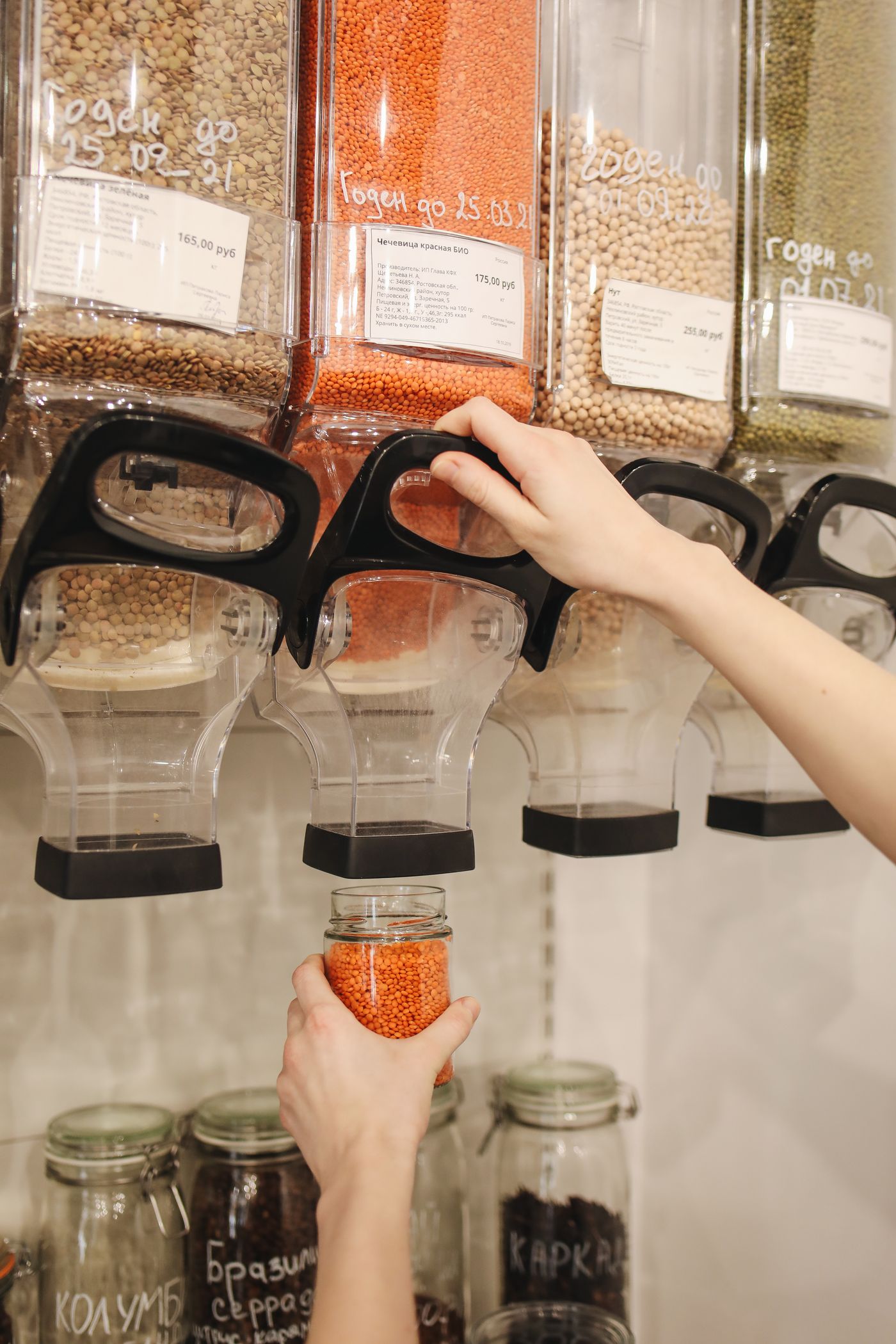
Refill models are receiving renewed commercial attention in 2026. Shopify’s July 2026 guide notes adoption across beauty, cleaning, wellness, and food-and-beverage categories, while the Ellen MacArthur Foundation describes practical “refill at home” and “return from home” systems built around reusable packaging and collection.
For a small operator, the important idea is not to copy a large zero-waste store. It is to pick a narrow, safe product range and make the refill loop convenient. Household cleaners or other permitted non-food essentials may be easier to start with than regulated food, cosmetics, or chemicals, depending on local rules.
The business model
Offer a small catalog of approved refill products in reusable containers. Customers order by bottle size or refill quantity. On the next delivery you collect empties, inspect and process containers according to the product and local requirements, and deliver refilled or replacement containers. Revenue can come from product margin, delivery fee, membership, or container deposit.
Keep the first offer easy to explain in one sentence. A clear scope makes pricing, delivery, quality control, and customer expectations easier to manage. If the service touches regulated work, high-risk decisions, customer data, safety, food, chemicals, or specialized technical tasks, separate what you coordinate from what qualified professionals must perform.
Best clients to target
- apartment communities and neighborhoods with repeat delivery routes
- eco-conscious households that value convenience more than a large catalog
- small offices, salons, studios, and guesthouses using repeat household essentials
- local product makers that want a refill or return channel without running delivery themselves
Do not market to everyone at first. Pick the customer group with the clearest recurring problem, shortest sales conversation, and easiest way to verify that your service created a useful outcome.
What to include in the offer
- a narrow product list with clear ingredients/safety information from the supplier
- standard bottle sizes, labels, batch/date tracking where relevant, and deposit rules
- scheduled route days instead of on-demand delivery everywhere
- container acceptance, cleaning, rejection, and replacement standards
- order reminders and simple recurring-order options
- written spill, damaged-container, and product-mix-up procedures
Put exclusions in writing as well as inclusions. Clients should know what information or access they must provide, how many revisions are included, what causes extra charges, and what happens when a request falls outside the agreed scope.
How to start step by step
- Choose two or three products with repeat demand and manageable handling requirements.
- Confirm supplier, labeling, storage, transport, and hygiene rules before selling.
- Design one container system rather than accepting every bottle shape.
- Pilot with 10–20 nearby households on one delivery day each week.
- Track refill rate, container return rate, leakage, delivery time, and repeat orders.
During the pilot stage, record actual time per task and every point where the client asks for clarification. Those notes become your future checklist, FAQ, onboarding form, and staff training material.
Pricing and margin planning
Build the unit economics around product cost, packaging/container depreciation, washing or processing, labels, delivery time, failed deliveries, payment fees, and product loss. A deposit can protect container value. Route density matters: ten nearby deliveries can be more profitable than five scattered across a city.
Before publishing a price, calculate labor, communication, materials, transport, payment fees, software, storage, rework, taxes where applicable, and third-party costs. A simple three-tier offer can work well: a starter pilot, the standard package most customers need, and an ongoing option only where recurring work creates recurring value.

Tools and workflow
Use the smallest reliable toolset that can deliver consistent results:
- approved containers and pumps/caps suitable for the product
- clear waterproof labels and batch/date records where needed
- sealed transport crates to keep full and returned containers separated
- simple order and route sheet
- basic stock/reorder tracking so popular refill sizes do not run out
Write the normal job flow from inquiry to handoff: qualification, intake, approval, work, quality check, customer confirmation, invoice, and follow-up. If one stage repeatedly causes mistakes, fix the process before increasing volume.
How to find the first customers
Start with one apartment block, street cluster, school-parent group, office community, or neighborhood market. Offer a first-delivery trial and show the exact refill process, container rules, and next route date. Partnerships with local eco shops, cleaning-product makers, or residential communities can create route density faster than broad social-media ads.
Specific outreach usually performs better than a long list of services. Show one visible problem, explain one practical outcome, and offer a low-friction pilot. Use customer photos, testimonials, or case studies only with permission.
SEO and content plan
Useful search-focused topics for this business include:
- refill delivery service
- household refill service near me
- reusable container delivery
- zero waste refill business
Build helpful pages around buyer questions: what the service includes, who it is for, how the process works, what the customer must prepare, what affects price, common mistakes, and what the finished handoff looks like. Use original examples and natural internal links rather than repeating the same keyword unnaturally.
Helpful external resources
Mistakes to avoid
- starting with too many products and container sizes
- refilling products that require permits, specialized hygiene, or safety controls you have not verified
- mixing returned containers with clean stock without a defined process
- using vague or missing labels that make product identification difficult
Trust is more valuable than a fast sale. Avoid guarantees you cannot control, disclose important limitations, use written approvals for material changes, and verify the local rules that apply to your service.
A practical 30-day launch plan
- Week 1: choose products, supplier, container system, and local compliance checklist.
- Week 2: test filling, labeling, transport, returns, and spill handling.
- Week 3: recruit 10–20 pilot customers in one compact area.
- Week 4: run two delivery cycles and review return rate, repeat orders, and route time.
At the end of 30 days, review qualified prospects contacted, pilots accepted, paying customers, average delivery time, mistakes/rework, and contribution margin. If interest is weak, improve the niche or offer before spending more on branding. If delivery is the bottleneck, simplify the package before adding volume.
How to grow without losing quality
Expand by adding nearby routes, not by scattering deliveries. Add new products only when your container, cleaning, storage, labeling, and supplier processes can handle them. A stable refill business is built on repeat behavior and operational trust more than novelty.
Turn repeated actions into templates and SOPs, then delegate only after the process is stable enough to teach and review. Recurring revenue should always be tied to a genuine recurring customer need.
Frequently Asked Questions
What products should I start with?
Choose a very small range with repeat demand and handling rules you understand. Verify local requirements before selling food, cosmetics, chemicals, or other regulated products.
Do I need a container deposit?
A deposit can reduce lost-container cost, but it should be simple, clearly explained, and reflected accurately in receipts and refunds.
How do I keep delivery profitable?
Use fixed route days and compact service areas. Route density usually matters more than offering instant delivery across a large city.
Can customers use their own bottles?
That depends on product safety, hygiene, labeling, and local rules. A standardized container program is often easier to control for a small launch.