
Table of Contents
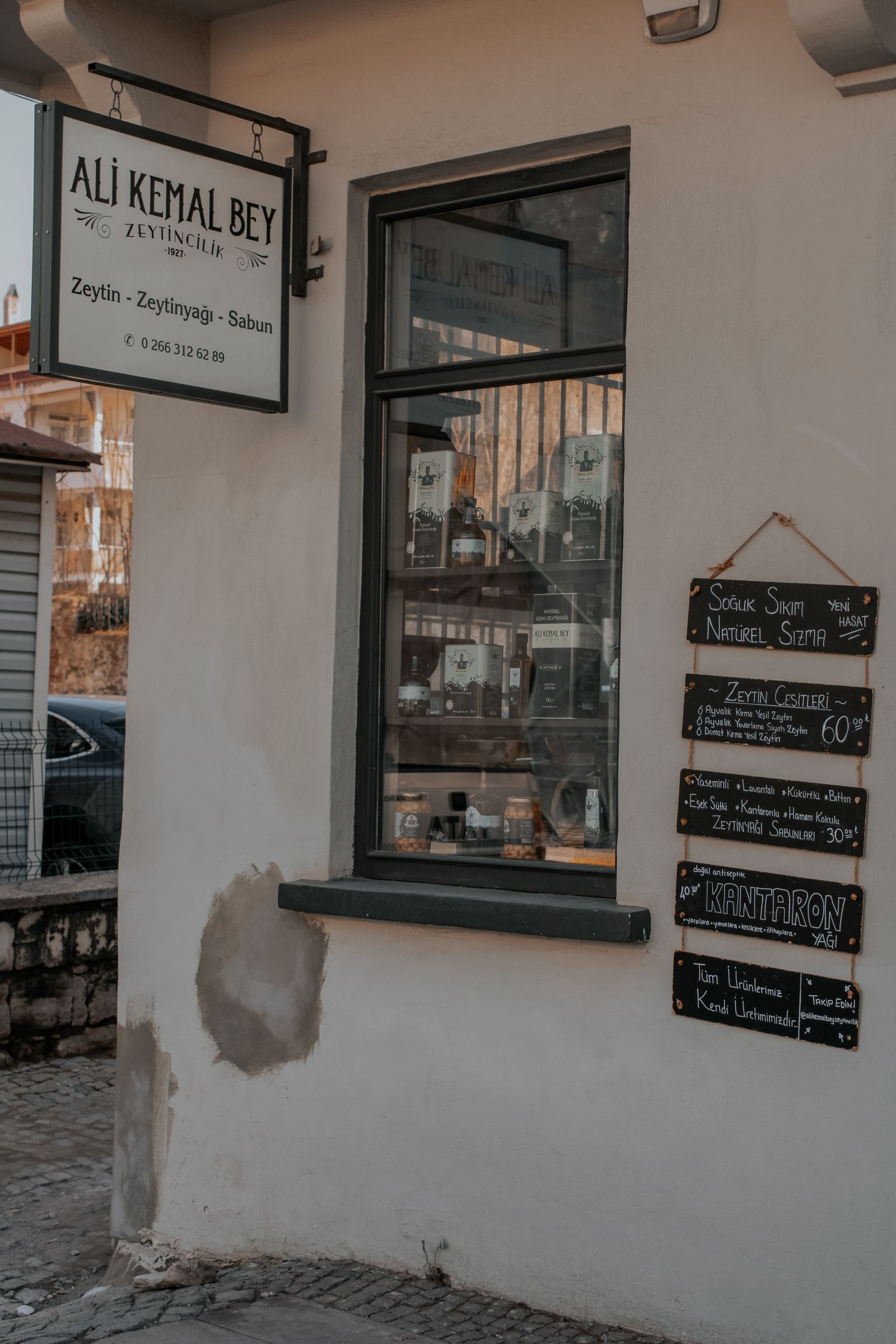
Google Business Profile Photo Optimization Service is a focused small-business opportunity built around a specific customer problem: Local listings frequently have outdated storefront photos, weak service images, or inconsistent visual proof that makes a business look less trustworthy than nearby competitors. The opportunity is not to sell “everything.” It is to solve this one problem with a repeatable package that customers can understand, compare, and buy.
Local customers make fast trust decisions. Real storefront, team, product, and service photos can make a listing feel current and credible without changing the entire website. That does not guarantee demand in every market, so the smart approach is to validate locally or within one niche before investing heavily. Start with a small scope, measure the work required, and expand only after you know what customers value.

Why this is timely in 2026
2026 small-business trend reports repeatedly point to lean operations, stronger local relationships, AI-assisted efficiency, social commerce, cybersecurity, sustainability, and recurring customer relationships. This idea fits that broader environment because it turns one of those trends into a concrete service or product offer rather than a vague buzzword.
The biggest advantage for a new operator is focus. A narrow offer makes it easier to create a checklist, estimate delivery time, set boundaries, train help later, and produce marketing content that speaks to a real buyer. The strongest early proof is not a large follower count; it is a small number of completed projects with clear before-and-after evidence.
The business model
Your core offer is simple: Plan and capture a practical photo set for the listing, organize filenames and categories, and create a schedule for refreshing real business imagery. Package the work so a customer knows what happens before, during, and after the project. A clean package normally includes discovery, execution, quality control, handoff, and a short support period.
Where possible, separate optional work from the base package. Travel, rush delivery, equipment rental, extra revisions, paid tools, product costs, and third-party fees should be visible line items. Clear scope protects both sides and helps you understand whether the service is actually profitable.
Best clients to target
Do not market to “everyone.” Start with a small segment where the problem is obvious and the buying decision is simple.
- restaurants
- salons
- shops
- clinics
- local service providers
Pick one or two of these groups for your first 30 days. This gives your portfolio, examples, pricing, and outreach a consistent story. Once you know which segment buys fastest and is easiest to serve, you can decide whether to specialize or broaden.
What to include in the service
A professional package can include:
- photo shot list
- storefront images
- interior/service images
- team/product images
- upload checklist
- quarterly refresh plan
Turn these deliverables into a client-facing checklist. The checklist reduces forgotten tasks and creates a repeatable process. It also makes it easier to show value because the customer can see exactly what was completed.
How to start step by step
- Validate the problem. Speak to at least five potential buyers and ask how they currently handle it, what it costs them, and what they dislike about the current process.
- Build one narrow package. Use the deliverables above and remove anything you cannot reliably deliver yet.
- Create a sample. Build a real demo, pilot, audit, or before-and-after example. Real work is more persuasive than generic claims.
- Write the workflow. Document intake, access, execution, review, approval, payment, and handoff.
- Set boundaries. Decide your service area, response time, revisions, rush fees, and client responsibilities.
- Sell a pilot. Start small, collect feedback, track time, and fix the workflow before increasing volume.
Pricing and margin planning
Offer a basic photo visit, a larger multi-location package, and optional recurring refresh shoots.
Before publishing a price, calculate direct costs, travel, software, payment fees, materials, taxes where applicable, and the real time spent on communication and revisions. A low headline price that ignores these costs can create a busy business with weak profit.
A useful three-level structure is Starter for the minimum useful outcome, Standard for the most common client, and Ongoing for maintenance or repeat work. Keep the difference between packages based on scope and value rather than artificial feature padding.
Tools and workflow
You can keep the starting tool stack lean:
- phone or camera
- tripod
- shot list
- image-resize tool
- Google Business Profile access
- cloud folder
Do not buy expensive software before the first clients prove that you need it. A clear checklist and a reliable calendar often create more value than a complex stack. When you do add automation, keep a human review step for anything customer-facing, financial, safety-related, or difficult to reverse.
How to find the first clients
Use problem-based outreach. Instead of introducing yourself with a long service list, point to one visible issue, explain the small result you can deliver, and offer a low-friction next step. For a local service, this could be a short visit or sample. For a digital service, it could be a mini audit or annotated screenshot.
Build proof as you go. Before-and-after photos, a short customer quote, a measurable improvement, or a one-page case study gives the next prospect a reason to trust you. Partnerships can also work well: accountants, designers, photographers, cleaners, developers, marketers, and local suppliers may already serve the same customer without offering this exact service.
SEO and content plan
Useful search-focused topics for this business include:
- Google Business Profile photos service
- local business photo optimization
- GBP photo service
Write content that answers buyer questions clearly: what the service includes, who needs it, what it costs, what can go wrong, what the customer must prepare, and how results are measured. Use real examples and original photos whenever possible. Keep page titles descriptive and link related guides together so visitors can move naturally through the site.
Helpful external resources
- https://support.google.com/business/answer/6103862
- https://support.google.com/business/answer/3038177
- https://squareup.com/us/en/press/2026-local-economy-report
Related Do Small Business guides
- Review Response & Reputation Workflow Service
- Subscription Box Curation Service
- Sustainable Packaging Cost Audit Service
Mistakes to avoid
- using stock photos instead of the real location
- over-editing images
- uploading irrelevant pictures
- ignoring poor lighting and signage
Most early problems come from unclear scope rather than lack of talent. Put expectations in writing. When the work involves safety, health, food, drones, finance, account security, animals, or local permits, verify the applicable rules before selling the service.
A practical 30-day launch plan
- photograph one friendly local business
- build a 20-shot checklist
- compare the listing before and after
- offer a fixed local package
- partner with local SEO freelancers
At the end of the month, review three numbers: how many qualified people you contacted, how many agreed to a call or trial, and how many paid. If interest is weak, improve the niche, problem, or offer before spending more on branding. If delivery is the bottleneck, simplify the package before adding more clients.
How to grow without losing quality
Once the first version works, turn repeated actions into templates and standard operating procedures. Keep quality checks visible, track common customer questions, and update the offer when a task repeatedly creates confusion. A small, well-documented service can often scale more safely than a broad agency model because training and delegation are clearer.
Recurring revenue should follow recurring value. Do not force a monthly plan if the client does not need one. Instead, identify natural follow-up work such as refreshes, maintenance, reporting, repeat visits, content updates, inventory checks, or quarterly audits.
Frequently Asked Questions
Is Google Business Profile Photo Optimization Service suitable for a beginner?
It can be, if you narrow the first offer, learn the core workflow, and avoid taking on regulated or technical tasks beyond your training. Start with one small pilot and document every step.
How should I price the first project?
Offer a basic photo visit, a larger multi-location package, and optional recurring refresh shoots. Write the scope clearly so revisions, travel, product costs, and third-party fees are not accidentally included without payment.
How do I get the first client?
Use a focused sample, a short audit or demo, and direct outreach to businesses that clearly have the problem. A specific before-and-after example usually works better than a generic list of services.
Can this become recurring revenue?
Yes. Most of these models can add maintenance, reporting, repeat visits, new content, or periodic optimization after the initial setup. Recurring work should solve an ongoing need rather than being forced into a subscription.