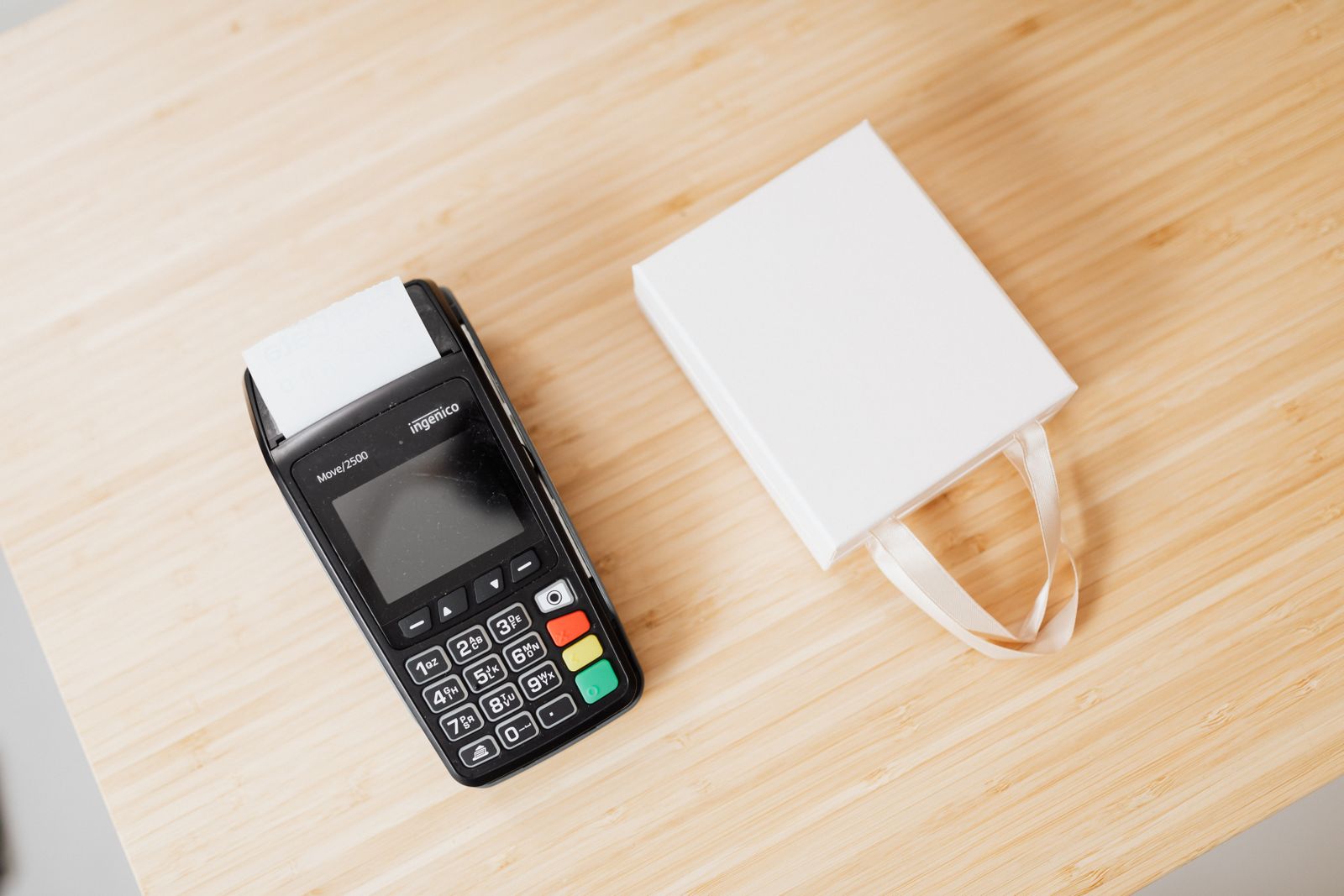
Gift Card & Prepaid Credit Setup Service for Small Businesses is a focused small-business opportunity built around one practical operational problem. The aim is not to sell an oversized transformation. It is to create a clearly scoped setup that a client can test, understand, and maintain after handoff.
Why this is timely in 2026
Many small retailers, salons, cafés, studios, repair shops, and service businesses want an easier way to capture advance sales and encourage repeat visits without building a complicated loyalty platform. A carefully scoped gift-card or prepaid-credit setup can turn an informal paper voucher into a clearer process that customers and staff can understand.
Small teams are under pressure to make routine work clearer without adding unnecessary software, staff, or long consulting engagements. A narrow service with a visible before-and-after process is easier to validate. Demand still varies by location and niche, so start with interviews and a paid pilot rather than assuming every business needs the offer.
The business model
One-time program setup plus optional seasonal refresh and reporting. Keep the starter package finite: discovery, setup, testing, documentation and handoff. Any ongoing maintenance should be an optional separate service with a clear cadence and deliverables.
Best clients to target
Good early prospects are businesses where the problem is already visible and the owner can make a decision quickly:
- independent retailers and boutiques
- salons, spas and barbershops
- cafés, bakeries and small restaurants
- fitness, tutoring and lesson businesses
- repair, home-service and creative studios

What to include in the offer
- current checkout and redemption workflow review
- gift-card or store-credit rules sheet
- customer-facing purchase and redemption instructions
- staff checkout and exception checklist
- simple tracking spreadsheet or dashboard
- launch message templates and seasonal promotion plan
Write exactly what is included, what the client must provide, what needs approval, and what is outside scope. That protects both sides and makes pricing easier to compare.
How to start step by step
- Choose one business niche and document how customers currently pay.
- Confirm what the existing POS, ecommerce platform or accounting workflow can support.
- Write simple rules for purchase, redemption, expiry where lawful, refunds and lost codes.
- Build one test card or prepaid-credit flow and run staff test transactions.
- Create customer instructions and a short staff handoff guide.
- Launch to a small customer group, review questions and fix friction before wider promotion.
Pricing and margin planning
Price the project around the number of locations, sales channels, staff users and systems that must be configured. Keep payment-processing fees, legal terms, tax treatment and accounting decisions outside your scope unless you are qualified to advise on them.
Estimate delivery hours, software costs, revision time, travel where relevant, and support after handoff. Use a fixed scope before using a fixed fee. Do not use income guarantees or exaggerated savings claims in sales copy.
Tools and workflow
- client POS or ecommerce settings
- spreadsheet for issued and redeemed value
- design tool for simple voucher artwork
- QR/link generator when appropriate
- staff checklist and exception log
Prefer tools the client already uses when they are suitable. Every new platform creates training, access, security, billing, and maintenance work, so software should solve a real constraint rather than make the offer look more advanced.

How to find first customers
Approach businesses that already sell repeat services, seasonal gifts or appointment-based experiences. Show a one-page sample explaining the customer journey from purchase to redemption. A small fixed-scope pilot is easier to understand than a broad “loyalty consulting” offer.
Keep outreach specific. Mention the problem you observed, explain the small deliverable, and invite the owner to a short discovery conversation. A useful checklist or sample output often communicates the service better than a long generic pitch.
SEO and content plan
Build supporting content around the questions potential buyers ask before they hire someone. Use descriptive headings, screenshots or original examples when available, and internal links to related planning resources.
- small business gift card setup
- prepaid store credit program
- digital gift card workflow
- gift voucher redemption process
- local business gift card service
Useful supporting pages can explain what the service includes, setup steps, common mistakes, pricing factors, measurement and handoff. Avoid keyword stuffing; write for the person trying to understand the service.
Mistakes to avoid
- creating rules staff cannot explain consistently
- ignoring refunds, partial redemption and lost-code scenarios
- promising accounting or tax treatment without qualified advice
- launching before testing the checkout and redemption flow
- using confusing expiry language or terms that conflict with local law
Most early failures come from unclear scope, weak testing or poor handoff. Put assumptions in writing and verify legal, tax, safety, privacy, payment, accessibility or industry-specific requirements with the appropriate authority or qualified professional.
30-day launch plan
- Days 1–7: choose one niche, interview potential clients and define the smallest useful package.
- Days 8–14: build a checklist, sample deliverable, pricing sheet and simple landing-page copy.
- Days 15–21: contact a small batch of relevant businesses and offer a paid pilot with clear boundaries.
- Days 22–30: deliver the pilot, record time and questions, collect feedback and improve the package before expanding.
How to grow
Standardize the setup checklist by platform and niche. Add seasonal campaign refreshes, staff retraining, redemption reporting and customer FAQ updates only when the client actually needs them.
Growth should come from a repeatable process, stronger proof, better templates and referrals—not from adding unrelated services too early. Track which tasks create real client value and which tasks create avoidable complexity.
FAQ
Do I need to build custom software?
Usually not. Many businesses can start with features already available in their POS, ecommerce platform or a reputable gift-card provider.
Can gift cards expire?
Rules vary by country, state or province. The business should verify local consumer-protection requirements before publishing expiry or fee terms.
Is this a loyalty program?
Not necessarily. Gift cards and prepaid credit are mainly stored value. A loyalty program usually tracks repeat behavior and rewards separately.
What should I measure?
Track issued value, redeemed value, outstanding balances, common customer questions and operational errors. Avoid treating sales as profit without proper accounting.
Useful external resources
Educational content only. This guide is general business information, not legal, tax, financial, privacy, security or compliance advice. Verify the rules that apply to your location, industry, customer data, contracts and chosen tools.