
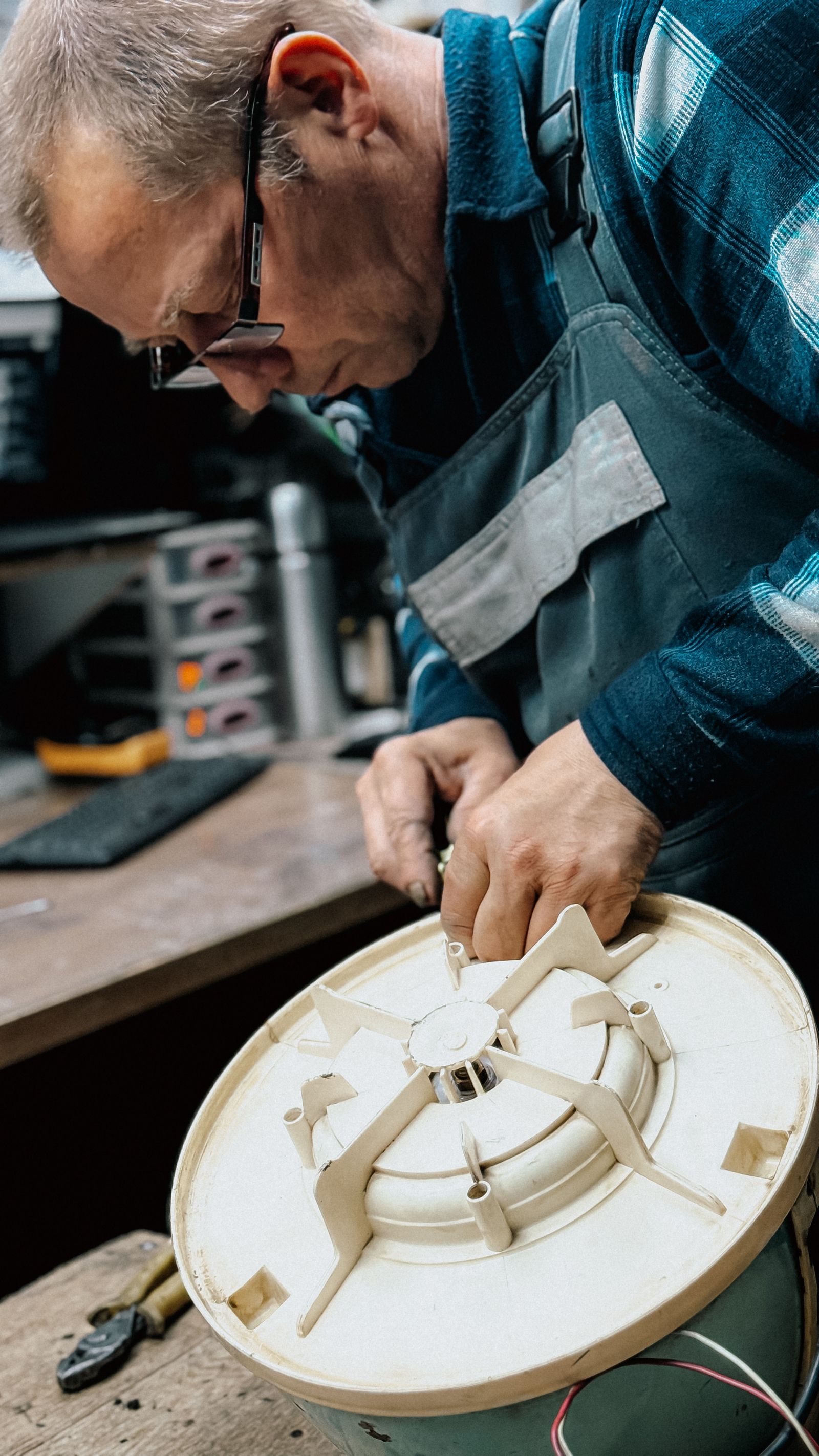
Appliance Repair Booking & Refurbishment Coordination Service is a focused small-business idea built around a specific operational problem: Customers often struggle to describe appliance faults, compare repair options, schedule technicians, track parts, and decide whether repair is worth it. Skilled technicians can also lose time on back-and-forth calls, incomplete addresses, unclear model information, and missed appointments.
The safest way to test the opportunity is with a narrow offer, one customer type, and a documented workflow. Validate demand with real conversations before spending heavily on equipment, software, inventory, or branding.
Why this is timely in 2026
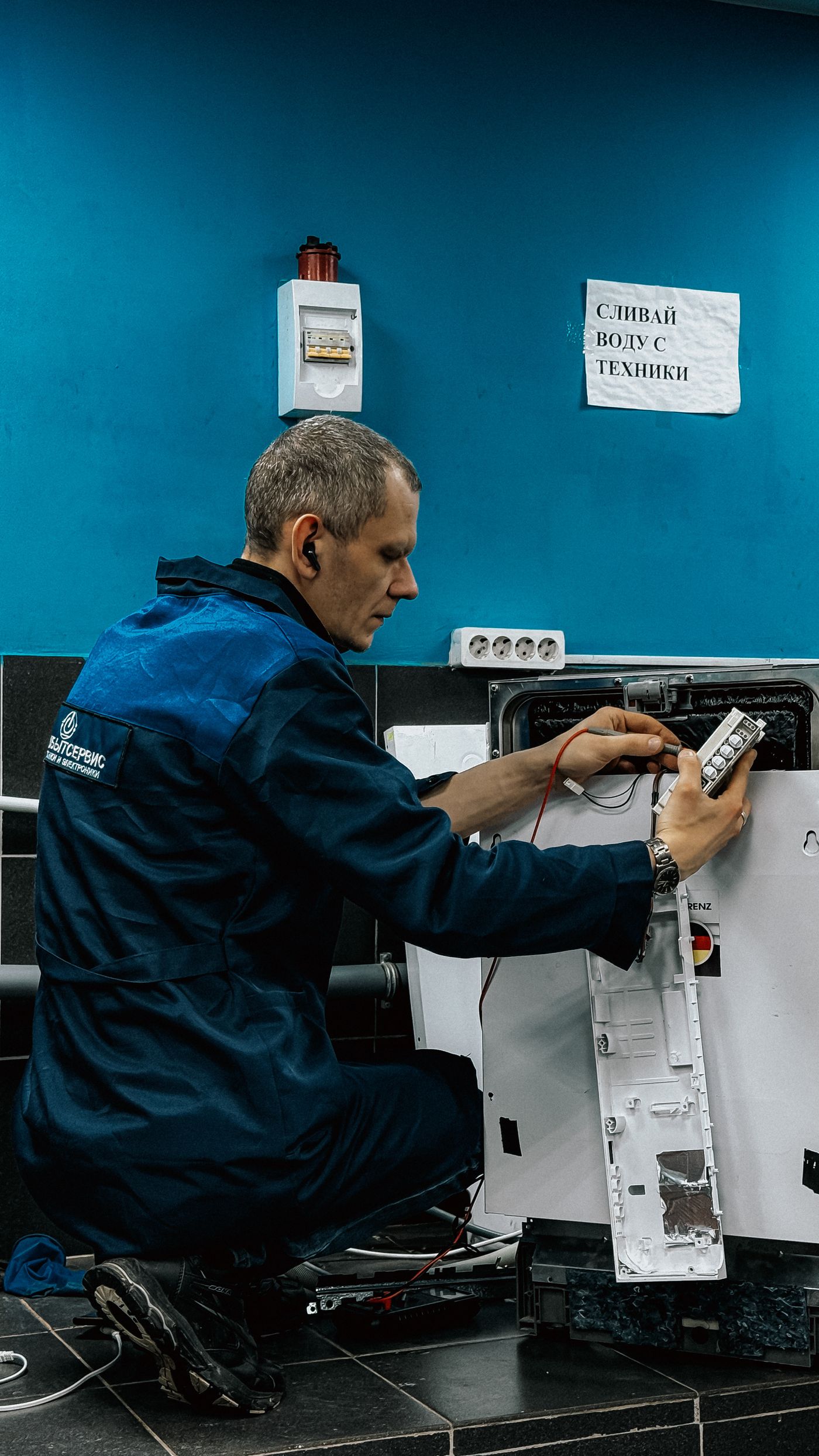
Pakistan’s repair economy is receiving fresh attention in 2026 as households keep appliances and devices working for longer instead of replacing them immediately. The Express Tribune reported in September 2026 that rising costs are increasing demand for repair, refurbishment, used-device trading, and component recovery.
That trend creates room not only for technicians but also for coordination businesses. A coordinator can standardize intake, capture model numbers and fault photos, schedule vetted technicians, keep customers informed, and help workshops manage repair status. The value comes from reducing confusion, not from claiming technical expertise you do not have.
The business model
Offer a booking-and-coordination layer. Customers submit appliance type, brand/model, symptoms, photos, location, and preferred time. You route the request to a vetted technician, confirm the appointment, track status, and collect a service/coordination fee or agreed referral margin. Add refurbishment pickup only after you have reliable partners and clear responsibility for transport, parts, warranties, and abandoned items.
Keep the first offer easy to explain in one sentence. A clear scope makes pricing, delivery, quality control, and customer expectations easier to manage. If the service touches regulated work, high-risk decisions, customer data, safety, food, chemicals, or specialized technical tasks, separate what you coordinate from what qualified professionals must perform.
Best clients to target
- busy households that prefer organized booking and status updates
- appliance technicians who want better intake and scheduling
- landlords and property managers with repeated appliance maintenance needs
- small offices, hostels, cafes, and shops that depend on refrigerators, AC units, water dispensers, or other equipment
Do not market to everyone at first. Pick the customer group with the clearest recurring problem, shortest sales conversation, and easiest way to verify that your service created a useful outcome.
What to include in the offer
- a structured fault-intake form including brand, model, symptoms, age, and photos
- technician matching based on appliance type and service area
- appointment confirmation and reminder messages
- written estimate/approval checkpoints before extra work or parts
- repair status updates and completion confirmation
- a simple complaints, warranty, and escalation process agreed with partner technicians
Put exclusions in writing as well as inclusions. Clients should know what information or access they must provide, how many revisions are included, what causes extra charges, and what happens when a request falls outside the agreed scope.
How to start step by step
- Interview five technicians to learn which intake details save them the most time.
- Choose one appliance category or neighborhood before offering everything.
- Create a technician checklist covering identity, service area, specialties, pricing approach, and warranty terms.
- Run ten test bookings manually so you learn where customers and technicians get confused.
- Only add pickup, refurbishment, or resale after the booking workflow is stable.
During the pilot stage, record actual time per task and every point where the client asks for clarification. Those notes become your future checklist, FAQ, onboarding form, and staff training material.
Pricing and margin planning
Possible models include a fixed booking fee, technician subscription, referral commission, or service markup disclosed to the customer. Calculate transport, failed visits, payment fees, customer support, refunds, and rework before setting prices. Never quote technical repair costs before the technician has enough information to estimate responsibly.
Before publishing a price, calculate labor, communication, materials, transport, payment fees, software, storage, rework, taxes where applicable, and third-party costs. A simple three-tier offer can work well: a starter pilot, the standard package most customers need, and an ongoing option only where recurring work creates recurring value.
Tools and workflow
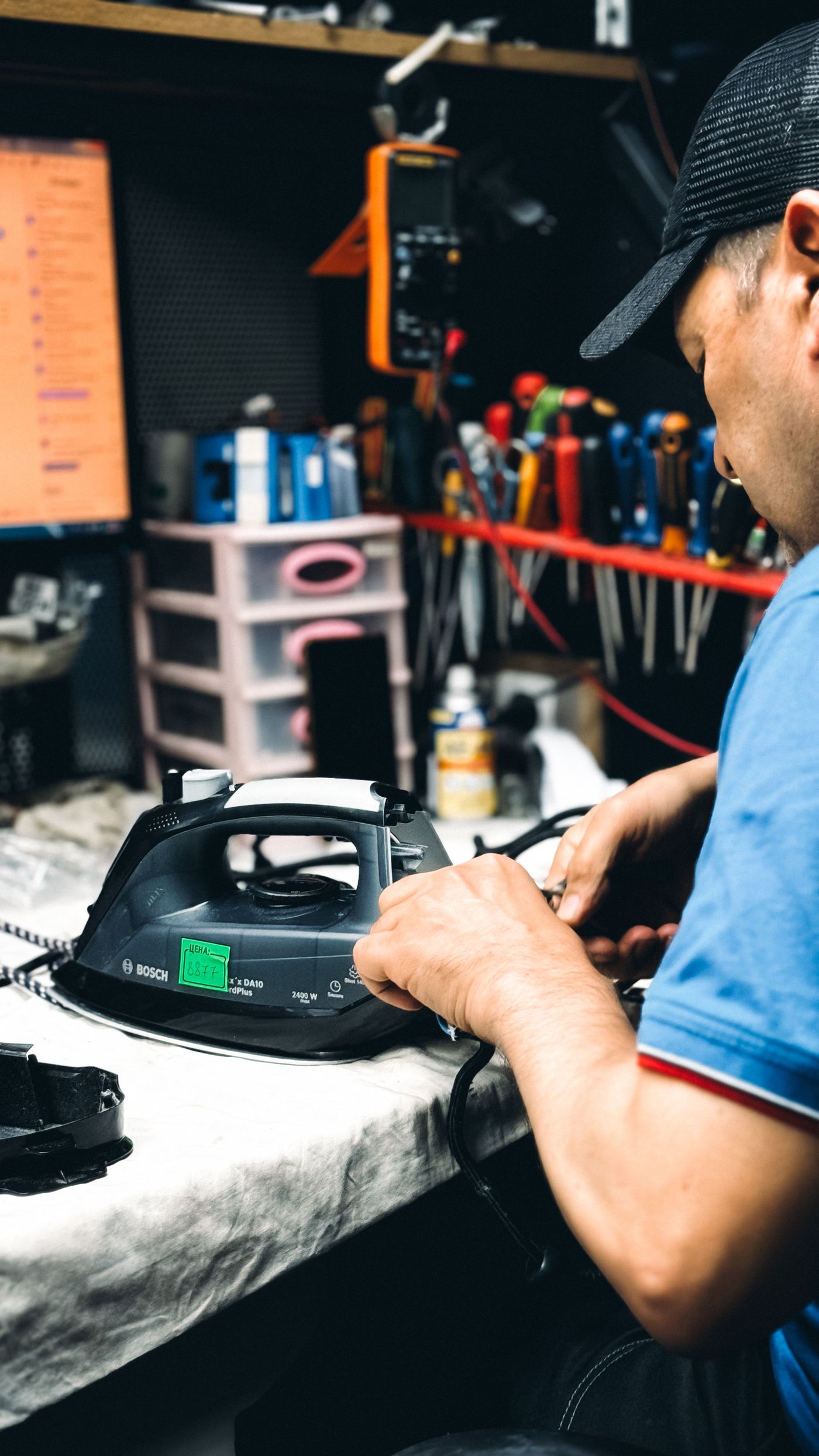
Use the smallest reliable toolset that can deliver consistent results:
- phone/WhatsApp intake plus a simple booking form
- shared job-status board with customer name, appliance, technician, stage, and next action
- photo storage with consent and limited access
- standard estimate approval and completion templates
- basic partner scorecard for punctuality, communication, callbacks, and unresolved complaints
Write the normal job flow from inquiry to handoff: qualification, intake, approval, work, quality check, customer confirmation, invoice, and follow-up. If one stage repeatedly causes mistakes, fix the process before increasing volume.
How to find the first customers
Start in one dense service area. Partner with two or three technicians in different appliance categories and give them cleaner leads. Promote the customer side through local groups, apartment communities, property managers, appliance shops, and building maintenance contacts. Early marketing should emphasize organized booking and clear updates rather than “cheapest repair.”
Specific outreach usually performs better than a long list of services. Show one visible problem, explain one practical outcome, and offer a low-friction pilot. Use customer photos, testimonials, or case studies only with permission.
SEO and content plan
Useful search-focused topics for this business include:
- appliance repair booking service
- home appliance repair coordination
- appliance technician booking near me
- appliance refurbishment pickup service
Build helpful pages around buyer questions: what the service includes, who it is for, how the process works, what the customer must prepare, what affects price, common mistakes, and what the finished handoff looks like. Use original examples and natural internal links rather than repeating the same keyword unnaturally.
Helpful external resources
Mistakes to avoid
- accepting jobs without clear responsibility for diagnosis, parts, transport, and warranty
- sending unknown technicians into homes without verification and customer-safety processes
- taking possession of appliances without written condition notes and pickup records
- promising a repair outcome or price before technical diagnosis
Trust is more valuable than a fast sale. Avoid guarantees you cannot control, disclose important limitations, use written approvals for material changes, and verify the local rules that apply to your service.
A practical 30-day launch plan
- Week 1: interview technicians and select one appliance niche or neighborhood.
- Week 2: create intake, booking, estimate approval, and completion templates.
- Week 3: run ten manual test bookings and measure missed information and delays.
- Week 4: publish a simple local offer and approach property managers and apartment communities.
At the end of 30 days, review qualified prospects contacted, pilots accepted, paying customers, average delivery time, mistakes/rework, and contribution margin. If interest is weak, improve the niche or offer before spending more on branding. If delivery is the bottleneck, simplify the package before adding volume.
How to grow without losing quality
Growth should come from route density, trusted technicians, repeat property clients, and better status tracking. Later you can add maintenance reminders, refurbishment pickup, certified used-appliance resale, or parts sourcing, but each extension adds operational and consumer-protection responsibilities that need clear terms.
Turn repeated actions into templates and SOPs, then delegate only after the process is stable enough to teach and review. Recurring revenue should always be tied to a genuine recurring customer need.
Frequently Asked Questions
Do I need to be a technician?
Not if you position the business as booking and coordination. Technical diagnosis and repair should be performed by appropriately skilled or licensed technicians where required.
How do I reduce disputes?
Use written intake details, photo condition records, estimate approval before extra work, clear warranty responsibility, and a documented escalation process.
What should I launch with first?
One appliance category or one local area is easier than trying to coordinate every repair type from day one.
Can refurbishment be added later?
Yes, after you have reliable repair partners, transport processes, condition records, pricing rules, and a clear policy for items that cannot be economically repaired.